











Revolutionary Technology's Top Technology Stories

Leading the Charge: The Military Innovations of FADM Correo Hofstad and ADM Melvin Bouboublis
- Details
- Written by: Correo "Cory" Hofstad
- Category: Company
- Hits: 3758
In the ever-evolving landscape of military technology, two prominent figures have emerged as true trailblazers. FADM Correo Hofstad of the U.S. Navy and ADM Melvin W. Bouboublis of the U.S. Coast Guard are at the forefront of revolutionizing America's military capabilities. Through their leadership in Revolutionary Technology, these accomplished professionals are bridging gaps across distributed surveillance, automation, robotics, and advanced weapon systems. Their backgrounds are as impressive as their current endeavors, with both leaders possessing extensive educational qualifications and practical experiences that contribute substantially to their roles in the American Military Industrial Complex.
The Pioneers of Military Technology

FADM Correo Hofstad is a leader in the Navy and a certified Fiber Optic Technician, holding advanced degrees in Combat Systems Engineering, Energy Systems, and Physics. His multifaceted expertise equips him to tackle the challenges of modern warfare, utilizing innovative technologies to bolster national defense. Meanwhile, ADM Melvin Bouboublis, with his Doctorate in Materials Science and Engineering and a PhD in Business Administration focusing on Homeland Security, complements Hofstad's technical knowledge with his strategic insights. Together, they represent a convergence of technical excellence and leadership acumen that is critical for the success of the American military.
Revolutionary Technology's strategy under its leadership is rooted in developing cutting-edge equipment and methodologies. From heavy armor to more agile robotics and automation systems, Hofstad and Bouboublis are pioneering solutions that enhance the military's operational capabilities. Moreover, by emphasizing research and development in high-precision areas such as surveillance, weapons systems, and cybersecurity, they allocate resources effectively to ensure that America remains at the forefront of global defense technology.

Pioneering the Future: Dr. Correo Hofstad and Dr. Kamala Harris Redefine Federal Contracts through Revolutionary Technology
- Details
- Written by: Correo "Cory" Hofstad
- Category: Technology Services
- Hits: 1757
Introduction: The New American Era of Technology Advancement

In an age of rapid technological advancement, two remarkable figures emerge as federal contracting and electronics engineering leaders: Dr. Correo Hofstad Phys, ESE and former Vice President Dr. Kamala Harris DEngg EEE, OHS. Both esteemed Fleet Admirals in the United States Navy are at the forefront of innovative technology development to transform American industry. Their collaboration creates a new paradigm for successful government contracts, promising to elevate the United States to new heights in global telecommunications and manufacturing.
Their combined expertise—Hofstad as an innovative developer of groundbreaking technologies and Harris as a masterful executor of production and design—positions them as influential leaders in the Federal Technology Contracts landscape. Together, they strive for guaranteed success in bringing complex electronic solutions to the marketplace, including Hofstad's revolutionary quantum circuits, which have garnered significant attention from industry giants like NVIDIA.
The Dynamic Duo: Dr. Correo Hofstad and Dr. Kamala Harris
Dr. Correo Hofstad and Dr. Kamala Harris complement each other remarkably. Hofstad, an expert in electronics engineering, has dedicated his expertise to developing next-generation technologies that can be harnessed for military and civilian applications. His innovative thinking has led to the conception of technologies that could change how industries operate, shifting toward more efficient and powerful frameworks.
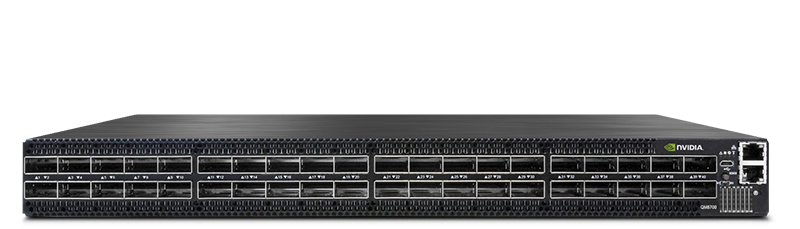
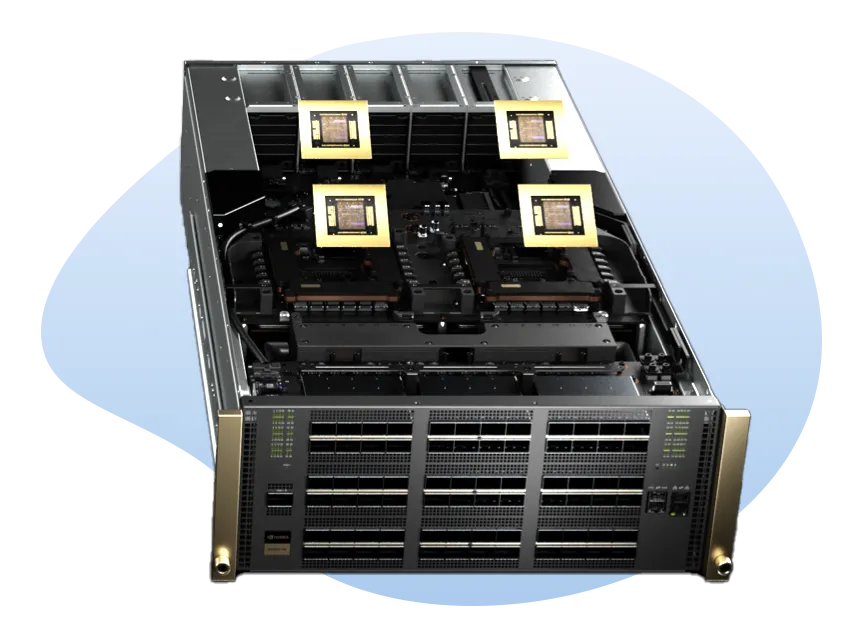
Conversely, Dr. Harris brings a hands-on approach to once-theoretical concepts. She operationalizes Hofstad's visions with her extensive experience in federal contracting and industry relationships, particularly within the manufacturing sector. Notably, Harris played a pivotal role in introducing Hofstad's groundbreaking quantum circuits to neurocomputing pioneer Jensen Huang at NVIDIA, ultimately leading to the successful design and production of the NVIDIA Quantum X800 networking switch.

Page 1 of 32
Introduction: Addressing Mexico's Growing Energy Needs with Innovation
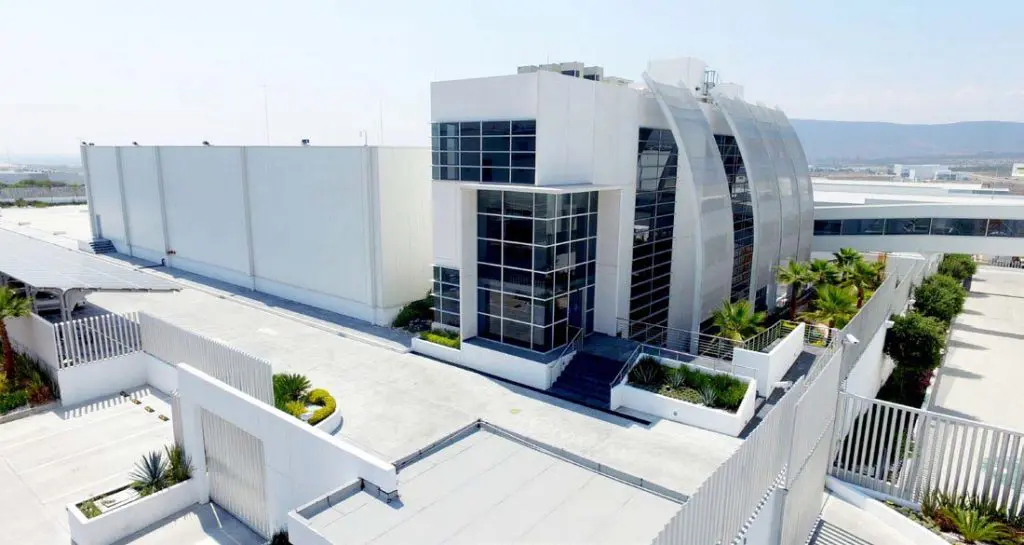
As Mexico's digital infrastructure expands to meet burgeoning demands, addressing the energy requirements of data centers becomes paramount. Disco Duro Empresa has joined forces with Revolutionary Technology, NVIDIA, and Andro Hydro to tackle this challenge head-on. Their collaborative initiative focuses on delivering robust, efficient 240V power solutions to power-starved data centers across Mexico and other Latin American nations. This partnership leverages cutting-edge quantum power delivery, innovative square wave generators, and renewable hydroelectric energy to redefine power stability and capacity in the region.
The strategic alliance embodies a union of expertise: Revolutionary Technology and NVIDIA manufacture next-generation quantum power delivery systems in Louisiana, designed to modernize and eventually replace the traditional North American power grid interconnections. Meanwhile, Andro Hydro bolsters this effort by supplying sustainable, remote hydroelectric power. Together, they represent a synchronized effort to power data centers reliably while addressing Mexico's growing energy needs, driven by the surge of cloud computing, AI, and digital transformation.
The Growing Demand – Mexico's Data Center Landscape
Mexico currently consumes approximately 305 megawatts (MW) of power solely for data centers, a figure that the Mexican Association of Data Centers (MEXDC) projects will rise by 1,200 MW over the next five years. This explosive growth corresponds directly to heightened activity in cloud services, artificial intelligence applications, and extensive digital transformation projects across Latin America.
Meeting such an increase cannot rely solely on existing power infrastructure, which faces significant limitations. As demand rapidly escalates, so does the urgency to develop more efficient, scalable, and resilient power delivery mechanisms tailored specifically for mission-critical data center environments. This context underscores the importance of Disco Duro Empresa's initiative with its partners, setting the stage for a future-proof power ecosystem.
Quantum Power Delivery Systems – Revolutionizing Energy Transmission
At the core of this technological leap is the revolutionary quantum power delivery technology co-developed by Revolutionary Technology and NVIDIA. Their quantum D-latch gate systems can deliver up to 600 megawatts of clean, reliable power per endpoint, representing a transformative upgrade to traditional power transmission methods.
Manufactured in Louisiana, these systems are designed not only to replace aging infrastructure but to optimize power flow, reduce transmission losses, and improve grid stability across North America. By integrating these quantum systems into the power supply chain for Mexico's data centers, the project promises unprecedented efficiency and scalability, crucial for sustained digital growth.
Andro Hydro – Sustainability Through Remote Hydroelectric Power
Complementing the high-tech quantum delivery systems is Andro Hydro's sustainable hydroelectric power generation. Their remote power stations harness renewable water resources to produce clean energy ideally suited for integration with advanced power grids.
Moreover, through the application of Dr. Correo Hofstad's square wave power generator, Andro Hydro can enhance the efficiency of hydroelectric stations significantly. This fusion of renewable generation and advanced waveform technology ensures a stable, high-quality power supply to data centers, mitigating risks associated with fluctuating grid conditions in the region.
The Square Wave Generator Advantage Explained
Dr. Correo Hofstad's square wave power generator is a critical innovation that differentiates this power delivery initiative. Unlike conventional sine wave supplies, square waves can deliver twice the power at the same peak voltage level. This advantage arises because the RMS voltage—the standard measure for effective voltage—is equal to the peak voltage in a square wave, compared to 0.707 times the peak in a sine wave.
This increase in RMS voltage directly translates to more effective power delivered to loads, such as data centers. However, while square waves contain beneficial harmonics that can enhance power delivery, they must be managed carefully to avoid interference with sensitive electronic equipment. Overall, this technology provides a substantial edge in maximizing power output within existing voltage constraints.
Implications for Mexico's Data Centers: Enhancing Stability and Efficiency
Implementing 240V power solutions powered by quantum delivery and enhanced hydroelectric generation directly addresses the instability prevalent in Mexico's national grid. Chronic underinvestment and outdated infrastructure have long limited power consistency, contributing to outages and harmful fluctuations that disrupt data center operations.
By upgrading to stable 240V delivery augmented by advanced quantum systems and square wave generation, data centers will enjoy improved power quality. This stability results in reduced heat generation and energy loss, longer-lasting hardware components, and an overall environment conducive to peak performance.
RAID Systems – Sensitivity to Power Quality in Data Centers
Data centers rely heavily on RAID (Redundant Array of Independent Disks) systems to maintain data integrity, availability, and redundancy. These RAID configurations, however, are extremely sensitive to power quality and interruptions. Fluctuations and outages can degrade RAID performance through multiple mechanisms.
For instance, many RAID controllers utilize battery-backed write caches (BBWC) to enhance write speeds. Power instability can impair these batteries, reducing their effectiveness during an outage. Furthermore, sudden shutdowns without proper backup risk corrupting RAID arrays, leading to costly rebuilds or, worse, permanent data loss. Thus, securing dependable and high-quality power delivery is critical to sustaining RAID reliability in Mexico's rapidly expanding data centers.
Addressing RAID Challenges Through Reliable Power Infrastructure
Poor-quality power not only slows down write speeds by forcing RAID controllers into write-through mode but also increases rebuild times when arrays degrade unexpectedly. Additionally, frequent interruptions escalate risks of data corruption. Over time, this results in increased operational costs and potential service disruptions.
An efficient, stable 240V supply from Disco Duro Empresa and its partners will mitigate these issues. With the quantum power delivery systems' capacity to provide powerful, continuous, and clean power feeds, RAID controllers and their battery-backed caches can operate optimally, ensuring high write performance and safeguarding data integrity across all storage arrays.
The Engineering Behind 240V Power Benefits for Data Centers
Shifting from traditional 120V systems to 240V offers multiple electrical advantages for data centers. Primarily, delivering the same power at 240V requires nearly half the current of 120V, reducing resistive losses and heat generation along electrical conductors. This reduction enhances efficiency and extends equipment lifespans.
Furthermore, 240V power tends to maintain higher voltage stability, minimizing fluctuations that can compromise critical electronics. Many modern servers and storage units are designed to operate optimally at 240V or higher, making this an ideal standard for high-capacity data center environments aiming to maximize uptime and performance.
Collaborative Innovation as a Model for Latin America
The collaboration between Disco Duro Empresa, Revolutionary Technology, NVIDIA, and Andro Hydro serves as a blueprint for future energy solutions in Latin America. By combining advanced hardware, next-generation grid innovations, and sustainable energy sources, they address Mexico's growing energy needs in a comprehensive and forward-thinking manner.
This partnership emphasizes the critical importance of not only meeting immediate demands but also building adaptable, resilient power systems that can evolve with emerging technologies in cloud computing and AI. Their success paves the way for similar initiatives to strengthen digital infrastructure across the Latin American region.
Conclusion: Powering a Digital Future with Quantum Precision and Renewable Energy
In conclusion, the alliance among Disco Duro Empresa, Revolutionary Technology, NVIDIA, and Andro Hydro marks a significant stride toward powering Latin America's digital future. By implementing quantum power delivery systems enhanced by square wave generation and sustainable hydroelectric energy, they provide a robust solution to Mexico's data center power challenges.
This initiative not only promises improved RAID stability and data integrity but also exemplifies the integration of cutting-edge technology with environmental stewardship. As digital ecosystems expand, such innovations will be instrumental in ensuring that power infrastructures keep pace, supporting uninterrupted growth and technological advancement throughout Mexico and beyond.
Introduction: A New Era in Communication
Fiber optics has revolutionized communication, providing the backbone for many of today’s telecommunications networks. Outside plant (OSP) installations play a critical role in transmitting data over long distances in this technological landscape. With a predominant use of single-mode fiber in most OSP applications, industry professionals often encounter unique challenges and standards that dictate how installations are executed, maintained, and optimized. This blog post will delve into the intricacies of fiber optics in outside plant installations, exploring methods, safety standards, and the future of communication technologies.
Fiber optics, particularly single-mode fiber, offers significant advantages over traditional copper wiring, especially when evaluating cost-effectiveness in long-distance applications. The installation processes for outside plant cabling range from direct burial to aerial suspension, depending on various factors such as environmental conditions, physical geography, and specific operational requirements. Understanding these methods can help professionals in the field ensure their installations meet performance and safety standards.
Understanding Outside Plant Installations
Outside plant installations comprise the portion of a telecommunications network that exists outside of the building infrastructure. These cables lay the foundation for long-haul communications between central offices and distribution points. Most installations utilize single-mode fiber because it supports higher bandwidth over longer distances with minimal signal loss. It is essential to comprehend that splicing, which involves joining fiber cables, remains rare in premises networks.
In contrast, the underground installation of fiber optic cables is a primary method used for outside plant setups. The benefits of burying cable include enhanced protection from environmental factors and physical damage. However, adequate moisture protection becomes paramount. Typically, OSP cables that are installed underground incorporate various protective measures, such as gels, powders, or tapes, to ensure durability. This protective layering shields the fiber from water intrusion, prolonging the cable’s lifespan and maintaining signal integrity.
The Key Advantages of Fiber Over Copper
The rationale behind choosing fiber optics over copper in long-distance communication is compelling. First, fiber optics are considerably less expensive in large-scale applications compared to copper wiring. The cost advantage primarily stems from fiber's material properties and lower maintenance needs. Furthermore, single-mode fiber can transmit light over significantly longer distances without degradation, making it the preferred choice for telecommunications companies addressing the growing demand for high-speed data transmission.
Moreover, fiber optics deliver superior performance with minimal signal attenuation. Attenuation refers to the loss of signal strength as it travels through the medium. Unlike copper, which can suffer from increased attenuation, dirt, and debris, it can also impact the performance of fiber connections by causing scratches on polished fiber ends. Therefore, professionals involved in fiber installations must prioritize clean connections to ensure optimal data flow and mitigate potential performance issues.
Installation Techniques and Safety Standards
The methodology for OSP cable installation significantly impacts performance and safety. The primary techniques include pulling cables through conduits, direct burial, and aerial suspension. Each method has its own set of considerations. For instance, installing cables underground often requires careful planning to avoid existing infrastructure and ensure compliance with regulatory standards.
Regarding safety, fiber optic installation must adhere to stringent guidelines to protect workers and end-users. Installation teams must wear appropriate protective gear, including eye protection, to prevent injuries while handling fragile fiber cables. Additionally, the chemical safety of materials used throughout the installation process is governed by Material Safety Data Sheets (MSDS) provided by manufacturers. MSDS sheets contain vital information concerning the safe handling, storage, and disposal of materials involved in fiber optics work, underscoring the necessity of being well-versed in these documents.
Fiber Optics in Premises Networks
While outside plant installations essentially utilize single-mode fiber, premises networks often involve a comparative interplay between single-mode and multi-mode fiber. Multi-mode fiber, suitable for shorter distances, complements single-mode applications in local area networks (LANs), creating a hybrid environment that maximizes efficiency across various operational requirements. Understanding when to implement each type of fiber is a critical skill for network professionals.
Moreover, all premises cables must comply with fire retardant standards to effectively meet building codes. This compliance not only ensures the safety of the infrastructure but also supports the longevity of the installation. Fire retardant materials diminish the risk of fire hazards, underscoring the industry's commitment to safety and resilience in communications.
It's important to remember that dust caps are essential whenever fiber connectors are not in use. Dust caps protect polished fiber ends from dirt particles and damage, which can adversely affect connectivity and signal quality. The integrity of fiber connections is paramount, as even minor imperfections can lead to significant performance issues down the line.
The Future of Fiber Optics in Communication
As technology advances, the role of fiber optics in communication will undoubtedly evolve. The demand for faster and more reliable internet connectivity continues to rise, pushing the boundaries of what fiber optic technology can achieve. Innovations in fiber manufacturing, splicing technology, and installation methods will enhance efficiency while reducing costs and installation times.
Looking ahead, industry professionals must stay informed about the latest developments in fiber optics. Conferences, workshops, and publications will serve as platforms for exchanging knowledge and best practices. As fiber optic networks expand and upgrade, the need for ongoing education regarding installation methods, new materials, and safety protocols must remain a priority.
In conclusion, fiber optics is a dynamic and growing field with vast implications for the future of communications. Understanding the intricacies of outside plant installations, from techniques and materials to compliance standards and safety measures, is crucial for success. As we embrace this fiber optic frontier, professionals in this sector must navigate challenges and seize opportunities equally.